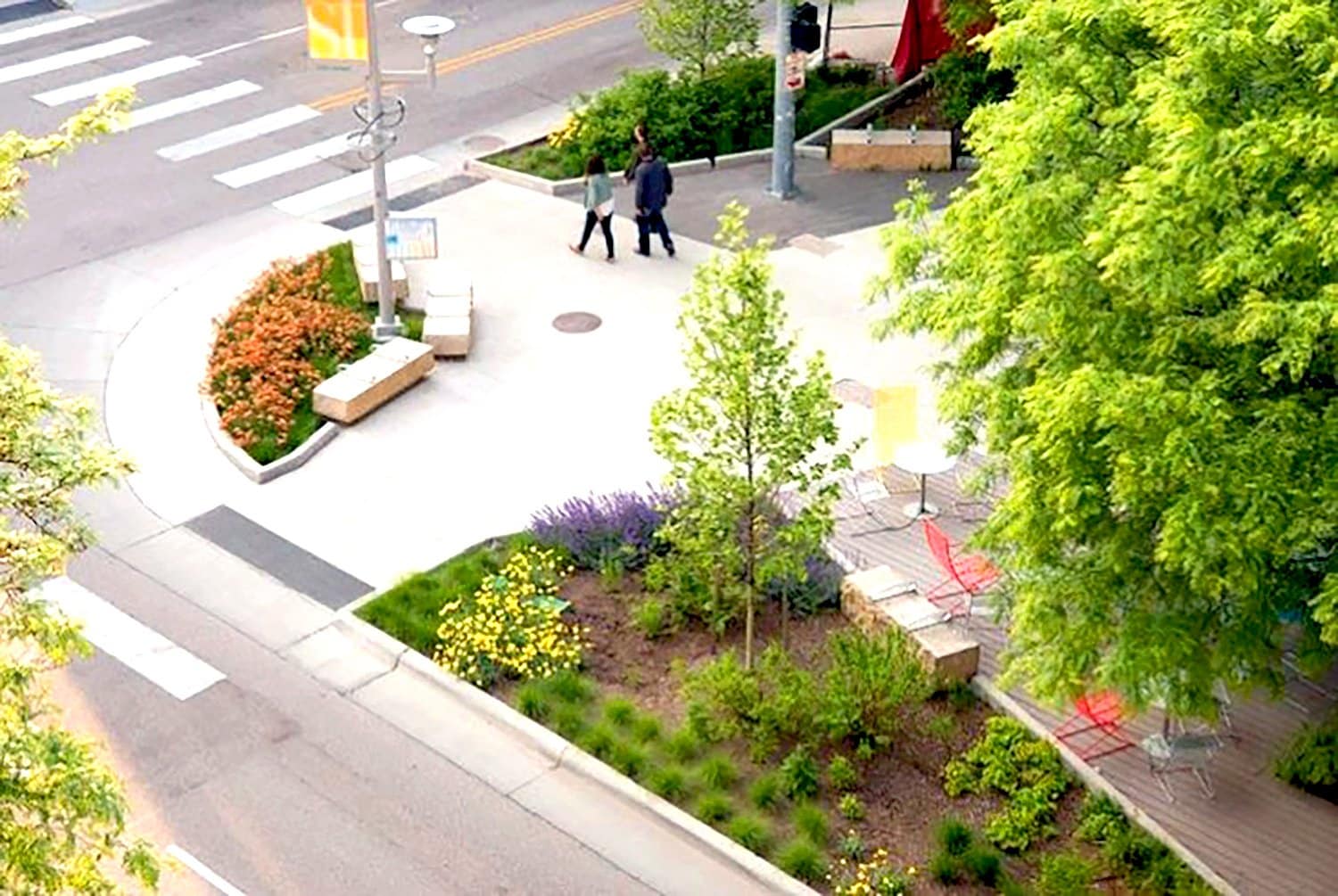
Revitalizing downtown improves community identity, quality of life and cultural attraction.

Revitalizing downtown also helps build a more flexible workforce, create competitive small businesses and a more resilient local economy. WEGA is working with government agencies, professional consultants, developers, educational institutions and community non-profits to bring much needed change.

We recognize the regional interdependency of rural and urban communities for a shared economic future. To that end it is important to invest in rural downtowns and support local business growth so that all may participate in the future. Revitalizing downtown puts a face to the community and plays a crucial role in economic resilience.

Masterplanning

Masterplanning downtown revitalization is a multifaceted endeavor. Each downtown and culture is unique and requires unique solutions. Although many historic downtowns suffer similar challenges the act of reinventing requires careful consideration. The ultimate goal, of course, is to make changes that drives social and commercial demand and leads to a more vibrant cultural and commercial core.
The Attica example of revitalization planning looks at the cultural shifts, demographic changes, community needs and future potential to arrive at specific solutions and priorities.

Through various planning exercises the community decided to pursue a social-entertainment district focus and connected to the riverfront rather than focus solely on a downtown street. The 200 Block Enhancement Project and associated Regional Business Incubator are the first projects to launch as a result of this plan.
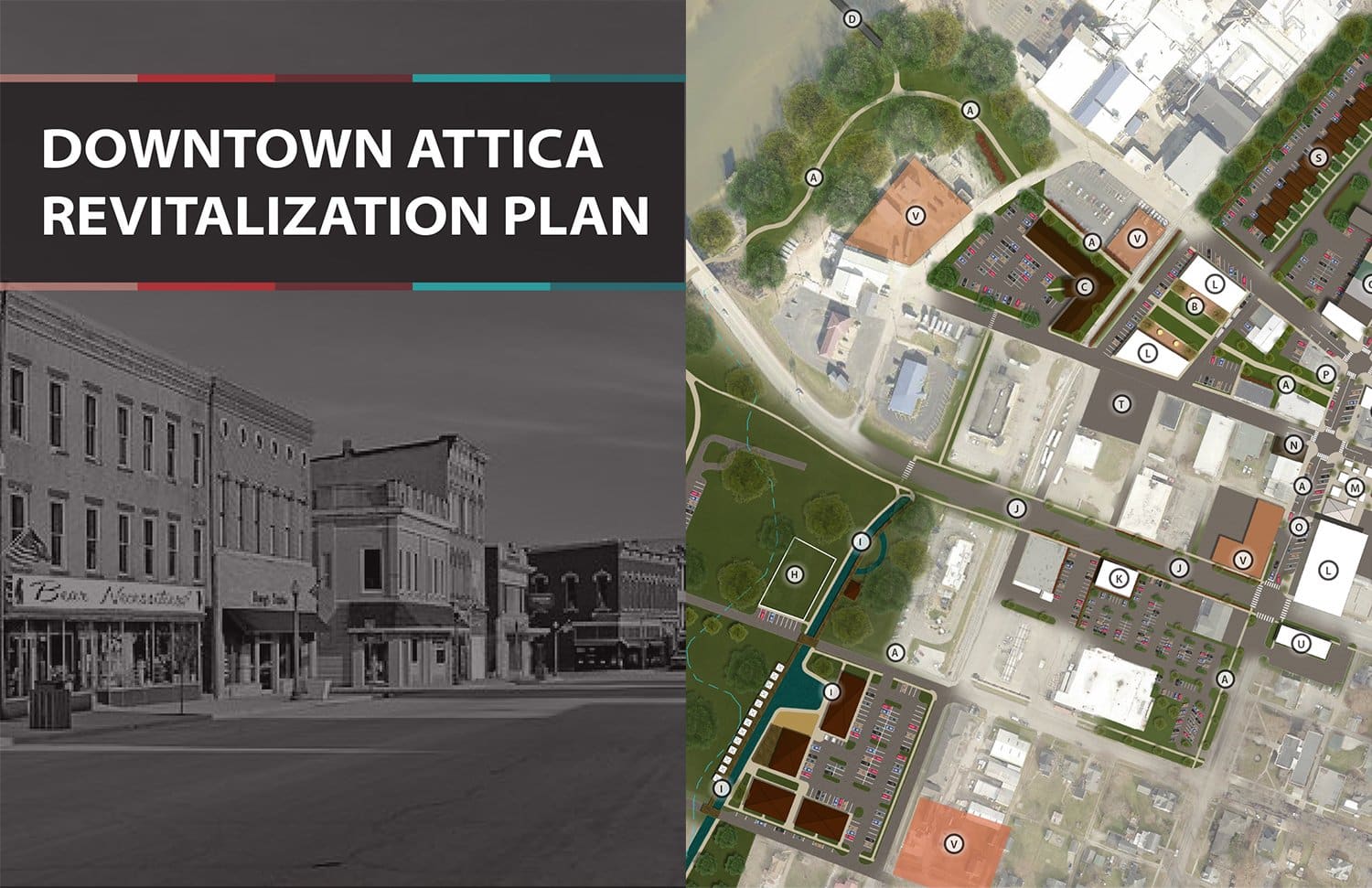
Downtown Attica 200 Block Street Enhancements

Physical enhancements along with business development and cultural attraction all work together to reinvent downtowns. To reinvent Attica’s downtown district we used all of the techniques listed under the “More” button. The plan includes a new two-way street access, more street parking, a new public parking lot, a new Regional Business Incubator, new educational and office uses, new rotating retail stores and civic events, a new public plaza with relating sculptures and art, new sidewalks, paving and extensive landscaping, and new street lighting and outdoor dining venues.
Successful efforts to revitalize downtowns are multifaceted however many include improving the built environment through reconstruction and new programming. Some of the strategies commonly used include (In no particular order):

1. Improve Access

Turn One-Way Streets into Two-Way Streets – One-way streets are efficient for auto traffic flow but hinder pedestrian activity and building access. Two-way streets create a more comfortable environment for pedestrians and increase property demand.

2. Support Business Activity

Support Local Entrepreneurs and Business Development – Encouraging small businesses and startups contributes to a diverse and thriving downtown ecosystem.

3. Increase Demand

Promote Mixed-Use Development – Combining residential, commercial, and recreational spaces fosters vibrancy. Adaptive reuse of old buildings can transform them into relevant solutions that serve community needs, thus driving demand.

4. Increase Attraction Frequency

Encourage Regularly Occurring Activity – Ongoing activity creates positive awareness and brings people from across the area to the heart of the community, showcasing unique amenities.

5. Improve Cultural Relevancy

Promote Culture Initiatives – Cultural events and creative spaces help grow cultural identity and connection.

6. Improve Walkability

Invest in Green Spaces and Walkable Streetscapes – Parks, plazas, and pedestrian-friendly streets enhance the urban experience.

7. Enhance the Evening Experience

Improve the Lighting Infrastructure – Well-lit streets provide a sense of safety and enhance the evening experience and activities.

Streetscape Features

Landscaped Intersections

Adding gardens to the urban pedestrian experience improves environmental comfort, interest and overall attraction.
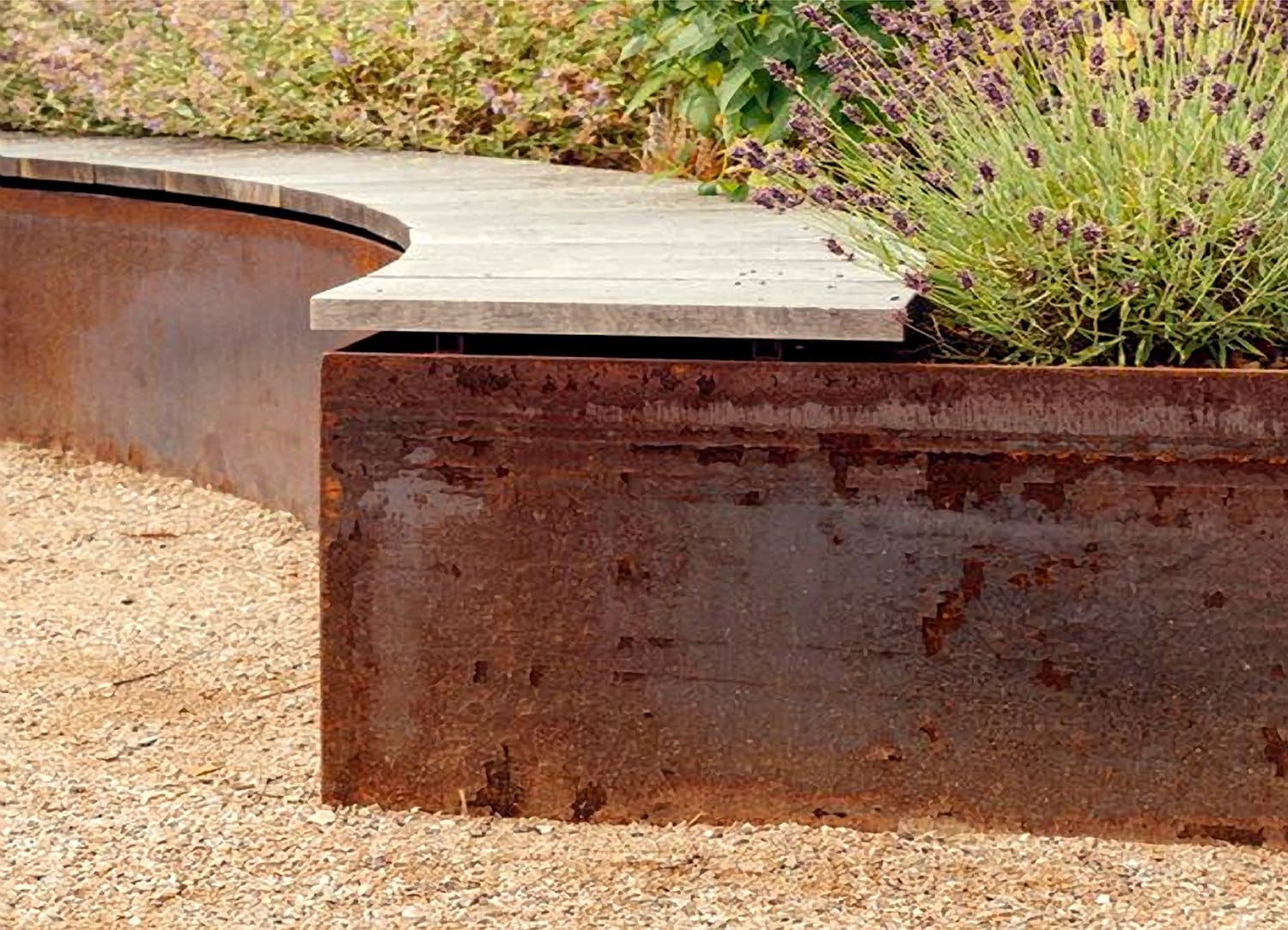
Planter and Bench

Raised planters provide a physical and psychological buffers for pedestrians, frequent bench seating and axillary power.

Pavers
Brick pavers provide a rich pedestrian experience and a historical nod to Attica’s Poston Paver manufacturing heritage.

Historic Lighting Feature

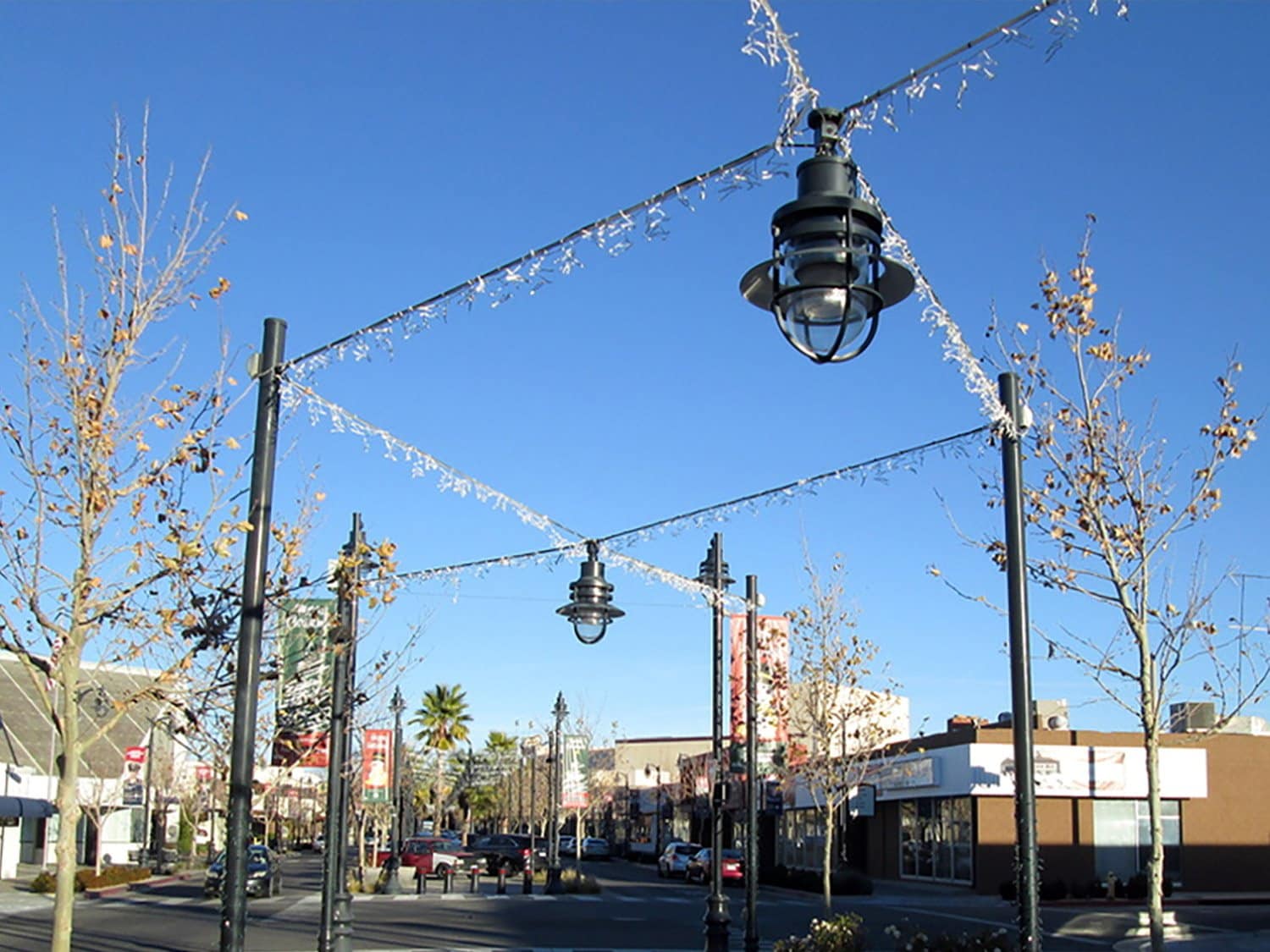
With reference to historic photos pendent light fixtures will hang over the center of the two main downtown intersections.

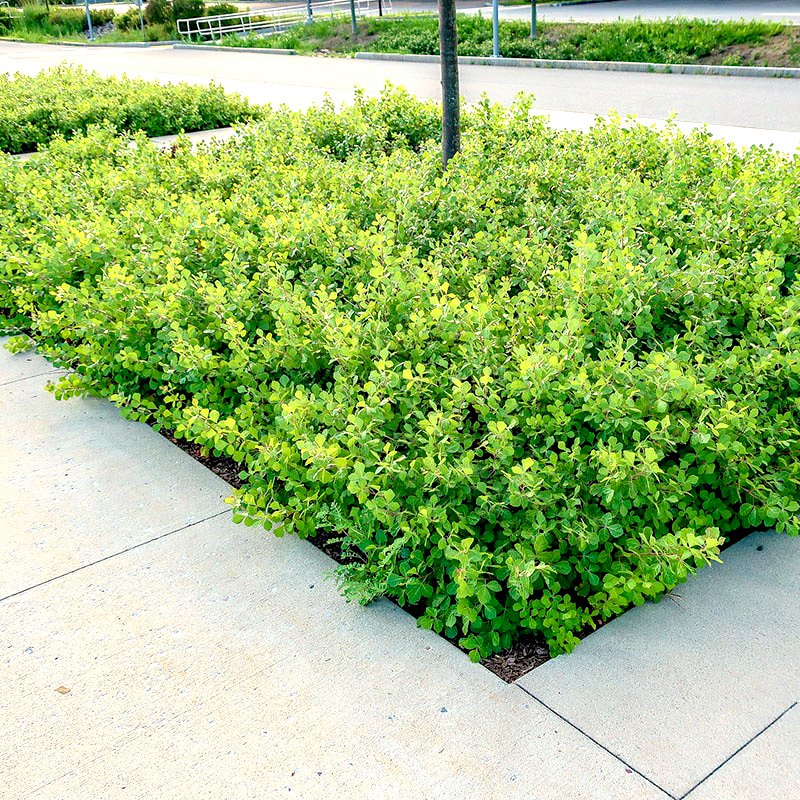
Dense Groundcovers

To provide a rich pedestrian experience landscaping throughout is edge to edge, dense and lush.

Flowering / Seasonal Trees

Landscaping that changes with the seasons provides pedestrians with visual variety, interest and beauty.

Landscape Palette

Tiny Wine Ninebark

Summer Beauty Allium

Fire Cheif Arborvitae

Little Bluestem ‘Standing Ovation’
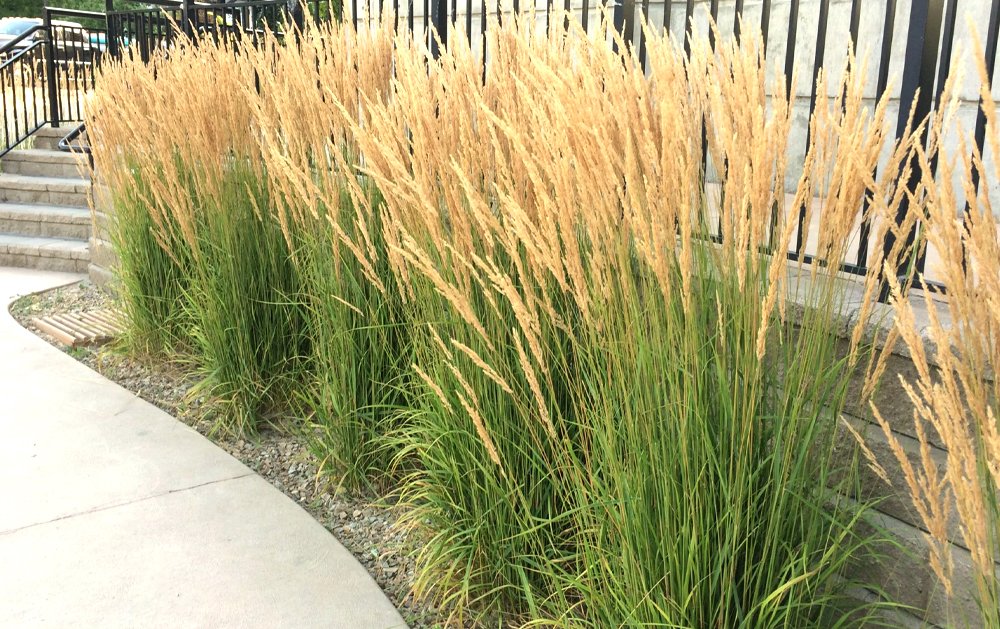
Karl Foerster Feather Reed Grass

Rosenwein Salvia

Walker’s Low Catmint

Calamintha Nepeta

Greenspire Linden Tree

Ovation London Plane Tree
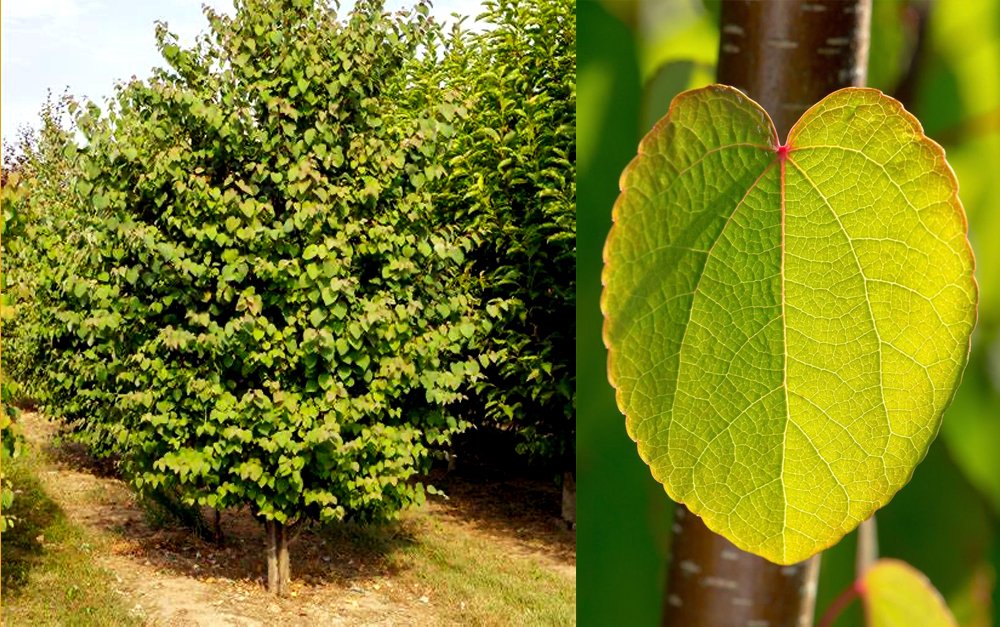
Katsura Tree

Armstrong Gold Maple Tree

Project Team